
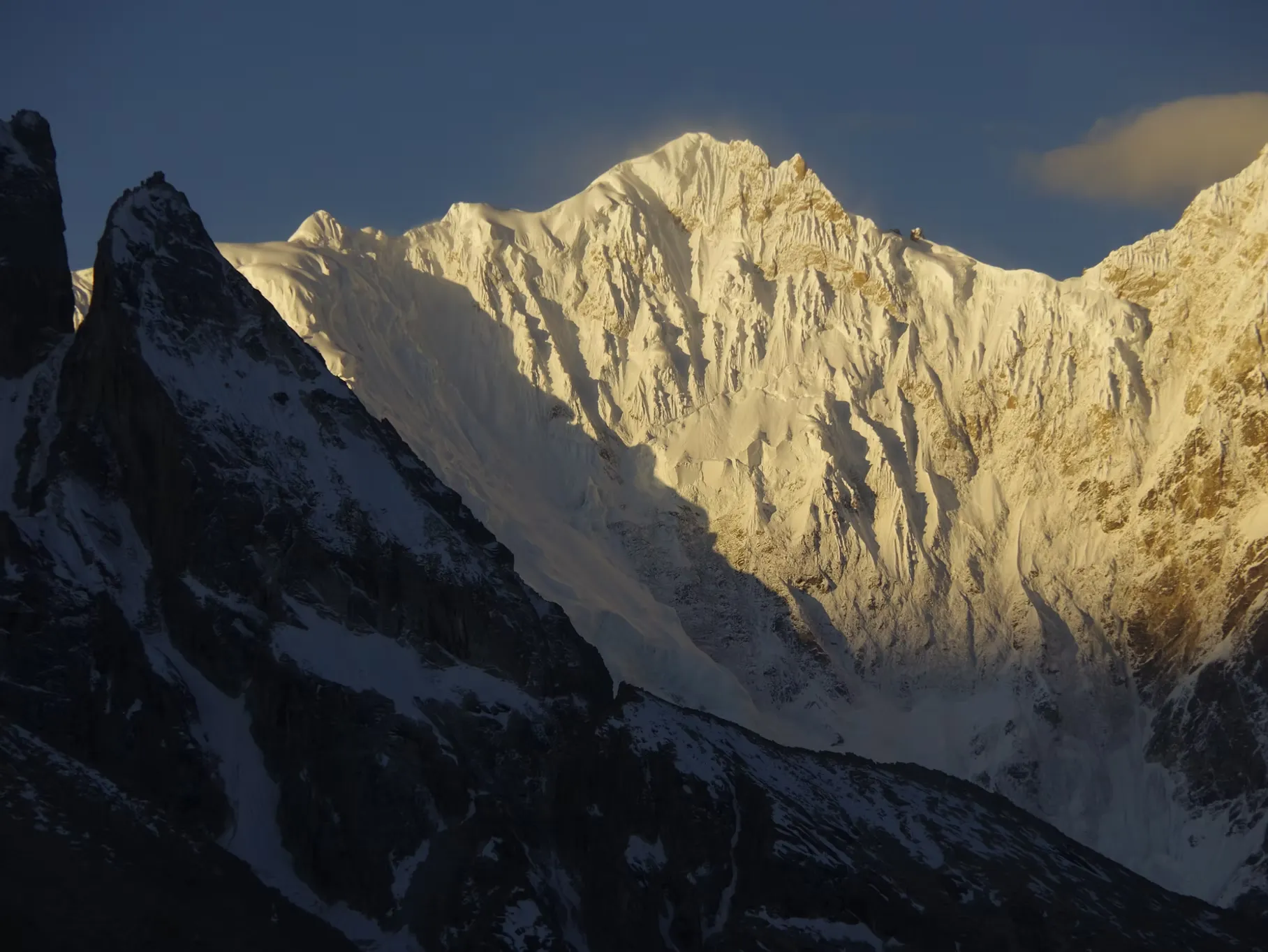
The Karakoram mountain range, a colossal expanse of rock and ice, is home to some of the world’s most breathtaking landscapes and challenging treks. For adventurers looking to explore this majestic region, timing is everything. Choosing the best time to go to the Karakoram can make the difference between a journey of a lifetime and a challenging ordeal. This guide, brought to you by the experts at Moving Mountains, will walk you through the seasons, weather patterns, and ideal times for your Karakoram adventure.
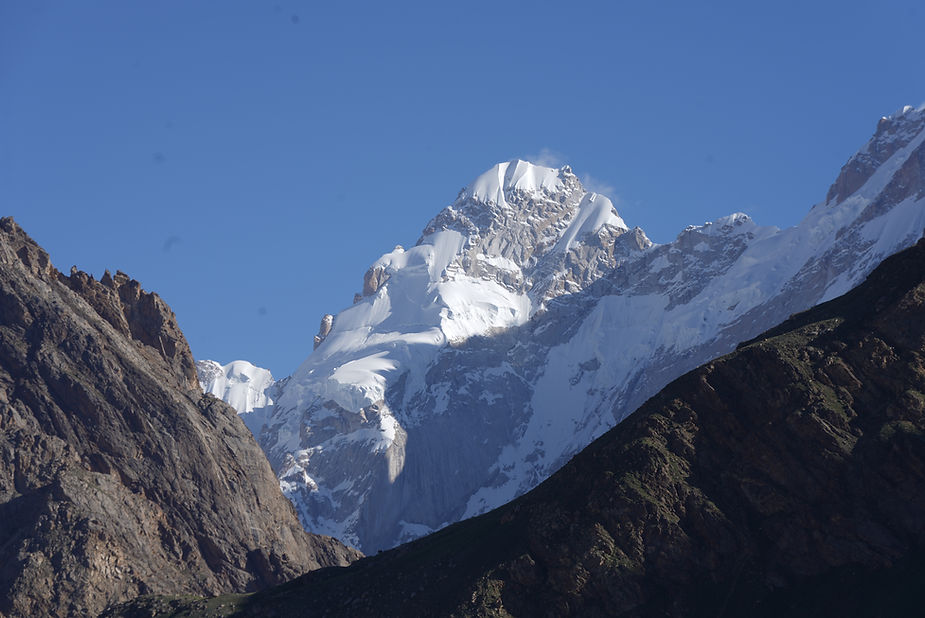
Understanding the Karakoram’s Climate
The Karakoram range is a place of dramatic contrasts, with towering peaks, vast glaciers, and deep valleys. This unique geography creates a complex and often unpredictable climate, making it essential for trekkers to be well-prepared.
A Land of Extremes
The Karakoram is known for its extreme weather conditions. Altitudes soar, and with them, the weather can change in an instant. Even in the height of summer, temperatures can plummet below freezing at night, while daytime can be surprisingly warm. The region is generally arid, but it does experience seasonal snowfall, which is the primary source of water for the glaciers and rivers that carve through the landscape.
Two Main Seasons: Summer and Winter
The Karakoram has two primary seasons: a short, intense summer and a long, harsh winter. The trekking season is largely confined to the summer months, when the weather is most favourable and the high mountain passes are accessible. Winter, on the other hand, blankets the region in deep snow and incredible cold, making most trekking routes impassable and dangerous.
The Prime Trekking Season: Summer (June to August)
For the vast majority of trekkers, the summer months of June, July, and August represent the best time to go to the Karakoram. This is when the weather is at its most stable, the skies are generally clear, and the full grandeur of the mountains is on display.
Why Summer is the Best Time to Go Karakoram
Summer offers a perfect confluence of favourable conditions. The days are long and sunny, providing ample time for trekking and acclimatization. The snow from the previous winter has melted from the lower and mid-altitude trails, and the high passes, such as the Gondogoro La, become accessible. This is the season when the valleys are lush and green, and the alpine meadows are carpeted with wildflowers, creating a stunning contrast with the stark, icy peaks above.
Famous Summer Treks
Summer is the season for the classic Karakoram treks. The world-renowned K2 Base Camp Trek is at its best during this time, offering unparalleled views of K2, Broad Peak, and the Gasherbrums. The Baltoro Glacier, one of the world’s longest non-polar glaciers, is also safest to traverse in summer. For those seeking a broader experience of the region, Trekking in Gilgit Baltistan offers a multitude of options, from gentle valley walks to challenging high-altitude expeditions.
What to Expect in Summer
While summer is the ideal season, trekkers should still be prepared for a range of conditions. Daytime temperatures can be pleasant, often reaching the mid-20s Celsius in the valleys. However, as you ascend, the temperature drops, and nights can be cold, often dipping below freezing. It is also important to be aware of the monsoon, which can bring rain to the lower valleys of the Karakoram in July and August, although the higher regions are generally shielded from the heaviest downpours.
The Shoulder Seasons: Spring and Autumn (April to Octuber)
The shoulder seasons of spring and autumn offer a different, but equally rewarding, Karakoram experience. These periods are quieter than the peak summer months, with fewer trekkers on the trails.
Spring (April to May)
Spring in the Karakoram is a time of transition. As the winter snows begin to melt, the valleys come alive with blossoming fruit trees, particularly apricots and cherries. This makes for a beautiful trekking experience in the lower regions. However, the high passes are generally still closed and the weather can be unpredictable, with a mix of sunny days and spring showers. Spring is an excellent time for cultural tours and lower-altitude Karakoram Trekking.
Autumn (September to October)
Autumn is arguably the most beautiful season in the Karakoram. The valleys are ablaze with the golden and red hues of turning leaves, creating a stunning spectacle against the backdrop of snow-capped peaks. The weather is generally stable and dry with clear blue skies. The days are shorter and colder than in summer, but the crisp air and incredible colours make it a favourite time for photographers and those seeking a more solitary trekking experience.
Winter in the Karakoram (November to March)
Winter in the Karakoram is a formidable season, reserved for the most experienced and well-equipped mountaineers. The region is blanketed in deep snow, and temperatures can plummet to extreme lows.
A Challenging Environment for the Experienced
Most trekking routes are inaccessible during the winter months. The high passes are closed, and the risk of avalanches is high. While some low-altitude villages can still be reached, winter trekking in the Karakoram is a serious undertaking that requires specialized equipment and a high level of experience in winter mountaineering.
Month-by-Month Guide to Karakoram Trekking
To help you plan your trip, here is a month-by-month breakdown of what to expect in the Karakoram:
| Month | Weather | Trekking Conditions |
| April | Cool and unpredictable, with spring showers. | Lower altitude treks and cultural tours are ideal. High passes are closed. |
| May | Milder, with blossoming valleys. | Good for mid-altitude treks. High passes may start to open towards the end of the month. |
| June | Warm and sunny, with stable weather. | The official start of the high-altitude trekking season. Most passes are open. |
| July | The warmest month, with clear skies. | Peak season for all treks, including the K2 Base Camp Trek. Crowded but ideal conditions. |
| August | Warm, but with a higher chance of rain in lower valleys. | Still peak season, with excellent trekking conditions at high altitudes. |
| September | Cool and dry, with clear skies. | Excellent for trekking, with fewer crowds and beautiful autumn colours. |
| October | Cold, especially at night, but with stunning colours. | The end of the trekking season. Good for lower to mid-altitude treks. |
Your Adventure Awaits with Moving Mountains
Choosing the best time to go to the Karakoram is the first step in planning an unforgettable adventure. At Moving Mountains, we have years of experience in leading treks throughout this incredible region. We can help you choose the perfect time and itinerary to match your interests and experience level.
Whether you dream of standing at the base of K2, exploring the remote valleys of Gilgit-Baltistan, or simply immersing yourself in the stunning beauty of the Karakoram, we have a trek for you. Our expert guides, meticulous planning, and commitment to safety ensure that you can focus on the experience of a lifetime. Explore our range of Karakoram Trekking adventures and start planning your journey to the roof of the world today.